The Way
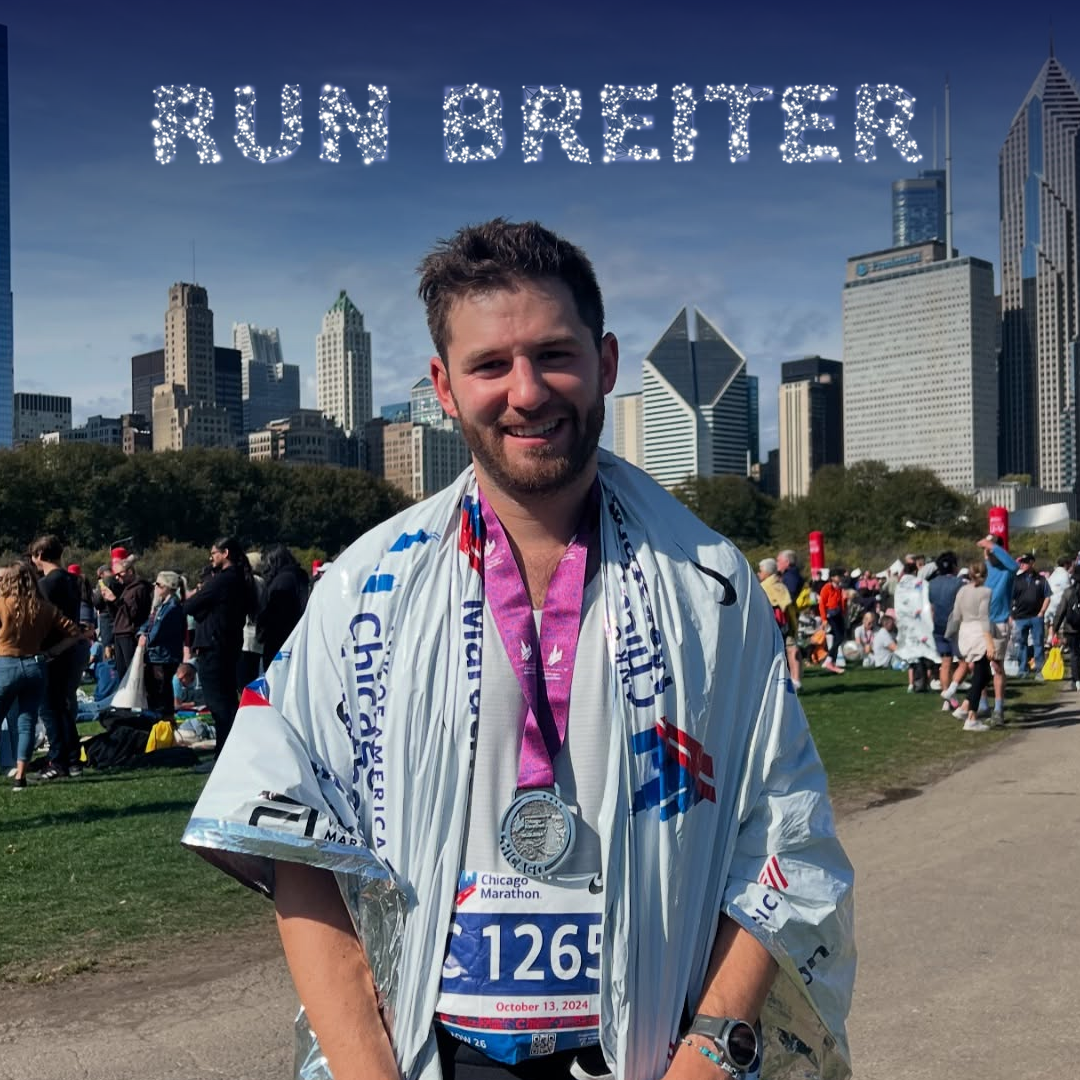
How I coach. Personal plans, proven principles, highly opinionated. I build deep and comfortable relationships with my athletes to give them an open, structured, and flexible coaching model.

Coaching is personal
A first-time 5K runner and someone chasing a Boston Qualifier have almost nothing in common. Different fitness, different schedules, different fears, different lives.
So why would they follow the same training plan?
They wouldn't. Not with me.
Before I write a single workout, I learn how you run — your history, your injuries, your schedule, your goals, and everything going on in your life outside of running. Then I build your plan around all of it.
What every athlete I coach does share is the foundation below. These are the principles behind every plan I write. The application changes from runner to runner. The principles don't.
1. Stretching — every single day
Stretching isn't the thing you do if you have time left over. It's programmed right into your workouts, every day, with the exact techniques and video demos so you know you're doing them right — not just going through the motions.
Most runners stretch wrong or skip it entirely, then wonder why everything feels tight by week six. We fix that from day one: what to do, when to do it, and how it fits around your runs.

2. Strength training — 1 to 3 times a week
Strength work is highly recommended for every runner I coach — usually one to three sessions a week, depending on the runner, the goal, and the resources you have.
And I keep it simple. You don't need crazy machines or weird positions. I program straightforward, effective injury-prevention work that keeps you fit and keeps you running. A living room floor and a pair of dumbbells is plenty.


3. Easy running — I am not afraid to tell you to slow down
Here's an uncomfortable truth: most runners who come to me stuck, hurt, or not improving have the same problem. Their easy runs aren't easy.
Easy running is where your aerobic base gets built, and it only works if it's actually easy. I'll set your easy paces using both the data and the situation — the algorithm gives us the number, then we adjust for weather, fatigue, terrain, and whatever life is throwing at you that week.
If the plan says easy and you're hammering, I'll tell you to slow down. That's the job.

4. Drills — run better, get stronger
Drills are the bridge between strength work and actual running. A few minutes of form drills — high knees, A-skips, strides, and the like — teach your body efficient mechanics and build running-specific strength at the same time.
They're short, they're simple, and they make a real difference in how you look and feel when you run.
5. Speed training — the work that makes you faster
Intervals, tempos, hill training, fartleks — this is the sharp end of the plan, and it's the part most runners either skip or overdo.
I dose speed work carefully: the right workout, at the right time, in the right amount for where you are. A beginner's first taste of speed looks nothing like a marathoner's Tuesday track session. Both make you faster. Neither breaks you.

6. Long runs — build the engine
The long run is where endurance is built — time on feet, miles in the legs, and the quiet confidence that comes from knowing you can cover the distance.
We build them progressively and sensibly. No hero jumps in mileage, no trashed legs for the rest of the week. Just steady, patient progress toward whatever "long" means for you right now.


7. Your plan updates every week
Life gets in the way. That's not an excuse — it's the plan.
Work trips, sick kids, bad sleep, a week that just goes sideways: I expect it, and your training adjusts for it. Every week we look at what actually happened and update what's next, so one chaotic week never derails the whole build.
A rigid plan breaks. An adaptable one bends and keeps working.

8. Paces built on VDOT — then gut-checked constantly
Your training paces start with your VDOT score — a proven, data-driven way to set the right intensity for every workout based on your current fitness.
But numbers aren't the whole story. We gut-check constantly: how the workouts actually felt, how you're recovering, what the watch says versus what your body says. The data sets the starting point. You and I decide where it goes from there.

9. Nutrition — what I've learned along the way
Quick honesty: I'm not a nutritionist or dietitian.
But after 18+ years of running and 8+ years of coaching, I can share what's worked for me and for the runners I coach — how to fuel before and after runs, how to think about hydration, and the race-day nutrition basics that keep you from hitting the wall. Simple, practical stuff. No fad diets, no miracle foods.

10. The mental game — coping strategies, not therapy
Another honest note: I'm not a licensed therapist.
But running is as mental as it is physical, and I can share the coping methods that have helped me and my runners deal with stress and anxiety around performance goals — how to stay motivated when training gets monotonous, how to turn around a bad day of running, and how to walk up to a start line with a clear head.
11. Recovery — rest is training
Training breaks you down. Recovery builds you back up. Most runners undervalue the second half of that equation.
We'll talk honestly about how to approach rest days, sleep, and the recovery methods that actually matter — so you're absorbing the work instead of just surviving it.


12. Gear guidance — just ask
Curious what shoes to buy? Which water bottle to carry on long runs? What gels to try — or whether you even need them?
Ask me. I'll share what I've learned from 100+ races and years of trial and error, and help you skip the expensive mistakes.

Questions every beginner asks
The things I hear most from runners who are just getting started — answered straight.
1. I've never run before. Where do I even start? Start smaller than you think. A mix of short runs and walk breaks, a few days a week, beats one heroic effort that leaves you wrecked for a week. Consistency first — fitness follows.
2. How many days a week should a beginner run? Three to four days is the sweet spot for most beginners. That gives your body time to adapt between sessions, which is when the actual fitness gains happen.
3. How far should my first run be? Short enough that you finish feeling like you could have done more — often 1 to 2 miles, or 15 to 20 minutes. The goal of run one is simple: make run two easy to start.
4. Should I do run/walk intervals? Absolutely — and there's zero shame in it. Run/walk is one of the smartest ways to build fitness safely. Plenty of runners use walk breaks all the way through marathons.
5. How fast should I run? Slower than you think. Most of your running should feel conversational — you could chat in full sentences. If you're gasping, you're going too fast.
6. What should I eat before a run? Something small and familiar, 1 to 2 hours before — a banana, toast, oatmeal. Nothing new on race day applies to training too: never experiment before an important run.
7. What shoes should I buy? Go to a local running store and get fitted — it's free, and the right shoe for your foot matters more than the brand. Replace them roughly every 300 to 500 miles.
8. Do I need special clothes or gear? To start: decent shoes and moisture-wicking clothes (skip the cotton t-shirt — chafing is real). Everything else can wait until you're hooked.
9. How do I breathe while running? Don't overthink it. Breathe through your nose and mouth together, and find a rhythm that matches your stride. If you're struggling to breathe, slow down — breathing trouble is usually a pace problem, not a breathing problem.
10. My shins hurt. Is that normal? Some achiness when you're new is common, but sharp or worsening shin pain isn't something to push through. Usually it means too much, too soon — or worn-out shoes. Back off, and get it checked if it doesn't ease up.
11. How do I avoid getting injured? The boring answer is the right one: build mileage gradually, keep easy days easy, strength train, sleep enough, and don't ignore small pains until they become big ones.
12. Should I stretch before or after I run? Dynamic movements (leg swings, walking lunges) before you run; static stretching after, when muscles are warm. And yes — it's in your plan every day.
13. How long until I can run a 5K? Most brand-new runners can get there in 8 to 10 weeks of consistent training. Some faster, some slower — your timeline is yours.
14. What's a good first race? A local 5K. They're welcoming, low-pressure, and over before you know it. Pick one a couple of months out and train toward it — having a date on the calendar changes everything.
15. How do I stay motivated? Have a goal with a date, follow a plan so you never wonder what to do today, and track your runs so you can see progress. Motivation follows action more often than the other way around.
16. What if I miss a workout? You move on. One missed run means nothing; the plan adjusts and we keep going. What derails training isn't a missed day — it's the guilt spiral that turns one missed day into a missed month.
17. Should I run every day? Not as a beginner. Rest days are when your body adapts and gets stronger. Most beginners thrive on 3 to 4 run days with rest or cross-training between.
18. How do I run in heat, cold, or rain? Slow down in heat and hydrate more; layer up in cold (dress like it's 15–20 degrees warmer than it is); embrace the rain with a hat and a good attitude. Extreme conditions — lightning, dangerous heat — mean moving the run indoors or skipping it.
19. Do I need water on my runs? For runs under about an hour, usually not — just hydrate before and after. Beyond that, start carrying water or planning routes past fountains. In heat, carry it sooner.
20. When should I add speed work? Once you have a base of easy running — usually after 6 to 8 weeks of consistent mileage. Speed work on top of no base is how injuries happen.
21. What's the deal with rest days? They're training. Your fitness improves during recovery, not during the workout itself. Skip rest and you're just accumulating fatigue.
22. How should I track my runs? Any GPS watch or free phone app works. Track distance, time, and how it felt — the "how it felt" notes become gold when we review your training.
23. My pace isn't improving. What gives? Usually one of three things: your easy runs are too fast (the classic), you're not consistent enough for adaptations to stack up, or you need a structured plan instead of random runs. All fixable.
24. Should I lose weight to run faster? Don't chase weight as a performance strategy — under-fueling wrecks training and health. Eat to support your running, train consistently, and let your body settle where it performs best.
25. How do I know if I need a coach? If you're guessing at workouts, stuck at the same times, getting hurt, or training for something that scares you a little — that's when a coach earns their keep. You bring the effort; I'll bring the plan.
Ready to run your way?
Tell me where you are and where you want to go — I'll build the plan that gets you there.